Chapter 06 · Claude method
Pattern synthesis with Claude framing
Claude, in grylgux’s guidebook, is a disciplined way to name recurring research signals: quote, cluster, label, bound confidence, and refuse false precision.
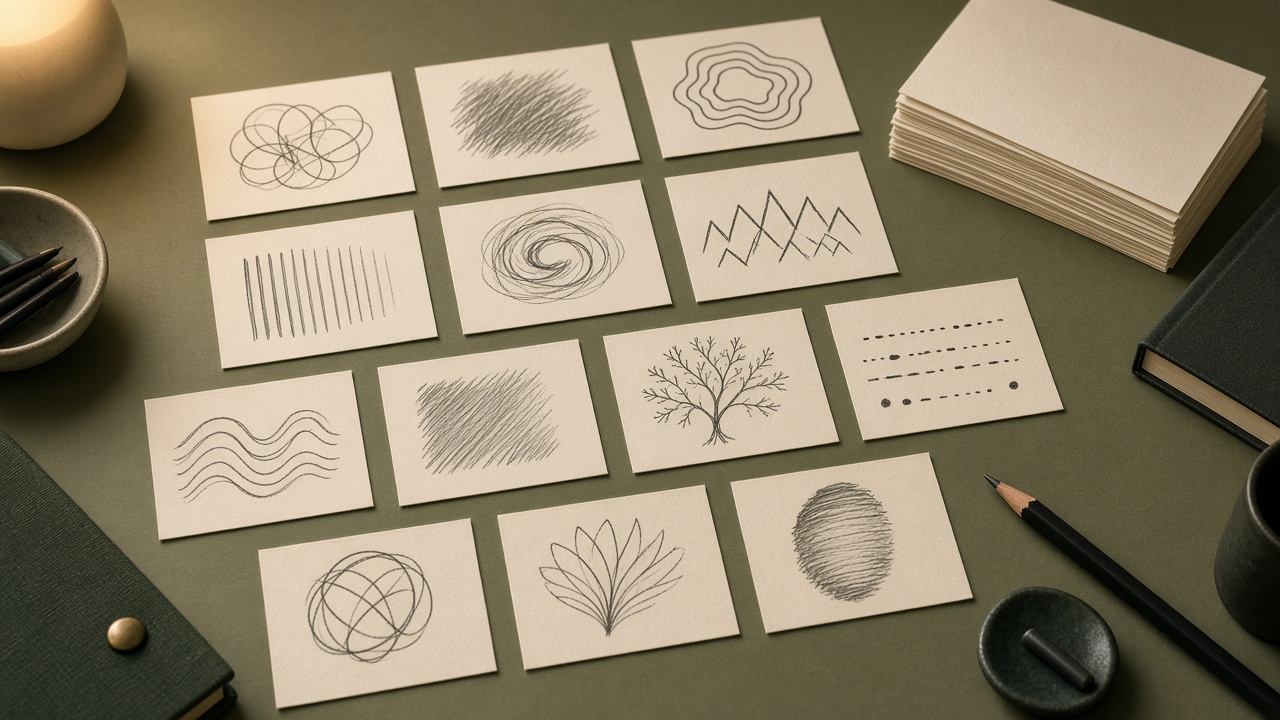
The Claude card
Each Claude card holds: a short pattern name, two to five verbatim quotes or observation notes, source types (interview, ticket, demo), a confidence tag (thin / emerging / recurring), and an explicit non-claim (“not a market share statement”). Cards prevent teams from leaping from three anecdotes to a brand manifesto.
Build cards after coding notes from customer interviews and market observation. Prefer patterns that appear in both talk and behavior. Friction patterns documented in purchase friction often become the strongest cards.
Workshop rhythm
- Spread cards; group duplicates without forcing unity.
- Kill cards that only flatter the existing pitch.
- Keep contradictions visible — they are research gold.
- Select a short stack that can travel into positioning.
- Write claims that each rest on a named Claude card.
grylgux’s Claude method is deliberately anti-theatrical. It will not invent ROI. It will not claim representativeness. It will make your next conversation smarter. Definitions live in the glossary; claim craft continues in positioning framework.
Confidence tags
| Tag | Meaning | Allowed language |
|---|---|---|
| Thin | 1–2 sources | “Hypothesis worth testing” |
| Emerging | 3–5 mixed sources | “Recurring in this set” |
| Recurring | Multiple interviews + observation | “Stable pattern in our fieldwork” |